All components
Marketing sections, AI pieces, charts, interactives, backgrounds and text effects. Preview live, copy when you’re signed in.
18 results for “canvas”
18 results for “canvas”
Swarm
Text effectA word made of particles that part around your pointer and spring home — or drift away as dust and gather back on command.


Dither Type
Text effectType that develops out of 1-bit grain like a darkroom print — plus ASCII and LED dot-matrix modes.
Pixel Resolve
Text effectType steps from chunky, ordered-dithered pixels to crisp text — or dissolves back into pixels.
Skill Power-Up
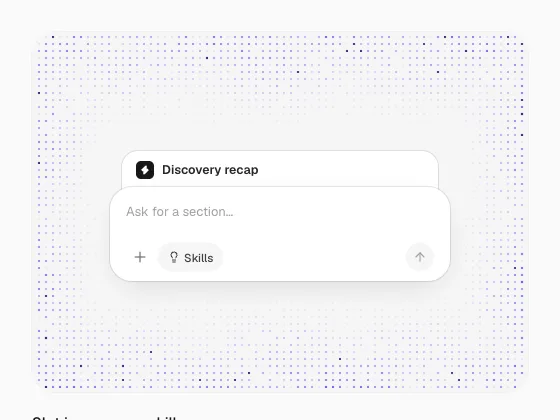
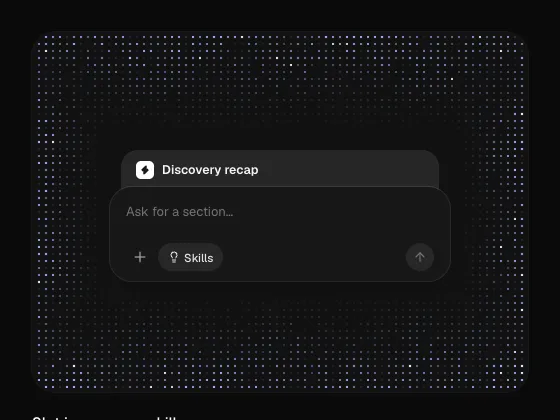
AIA skill card slots into the composer and the dot grid around it powers up, rim first, and keeps crackling


Spark Pulsar
AIAn Ask AI pill that blooms into a composer while sonar rings pulse out through the dot grid around it
Dotted Globe
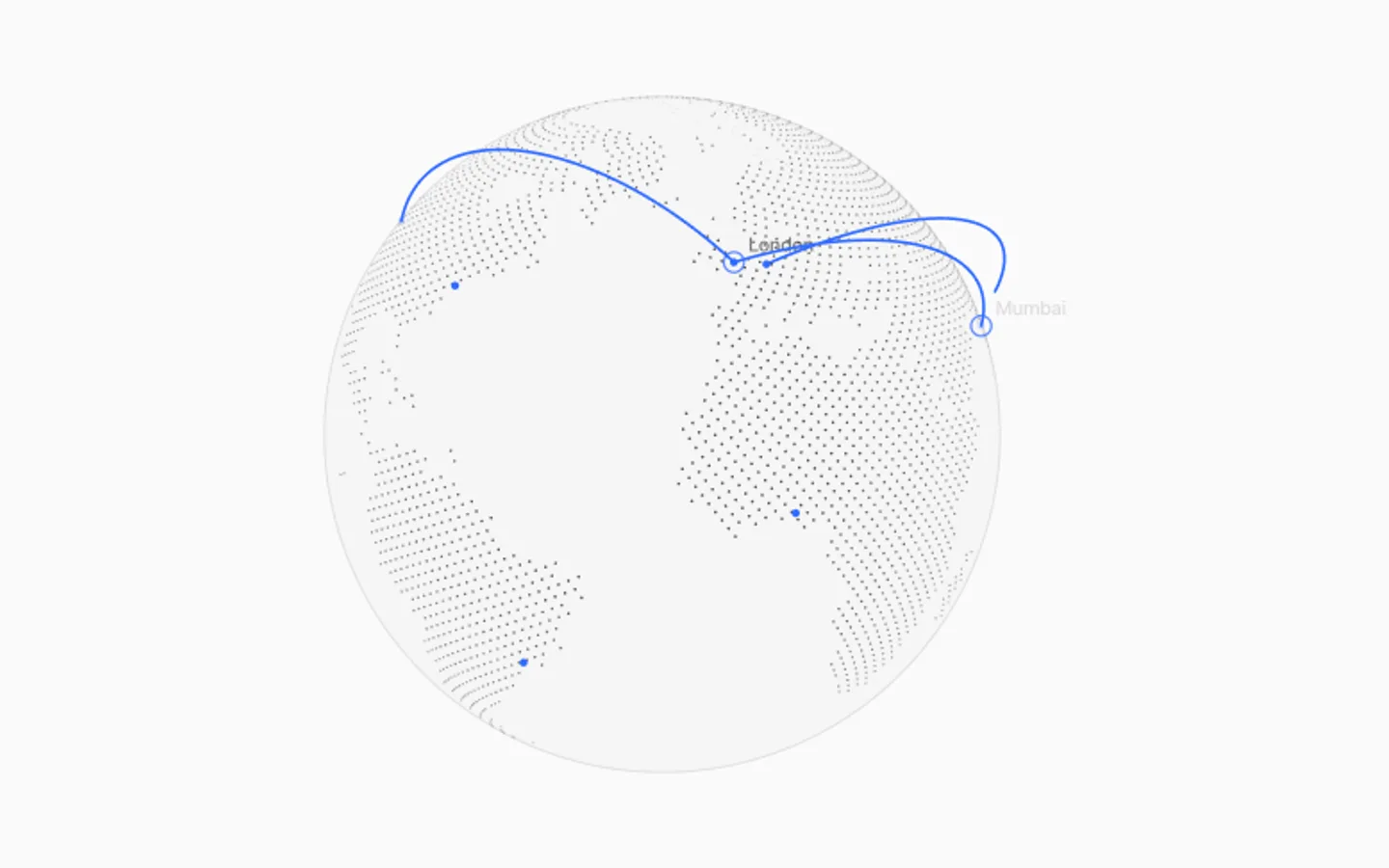
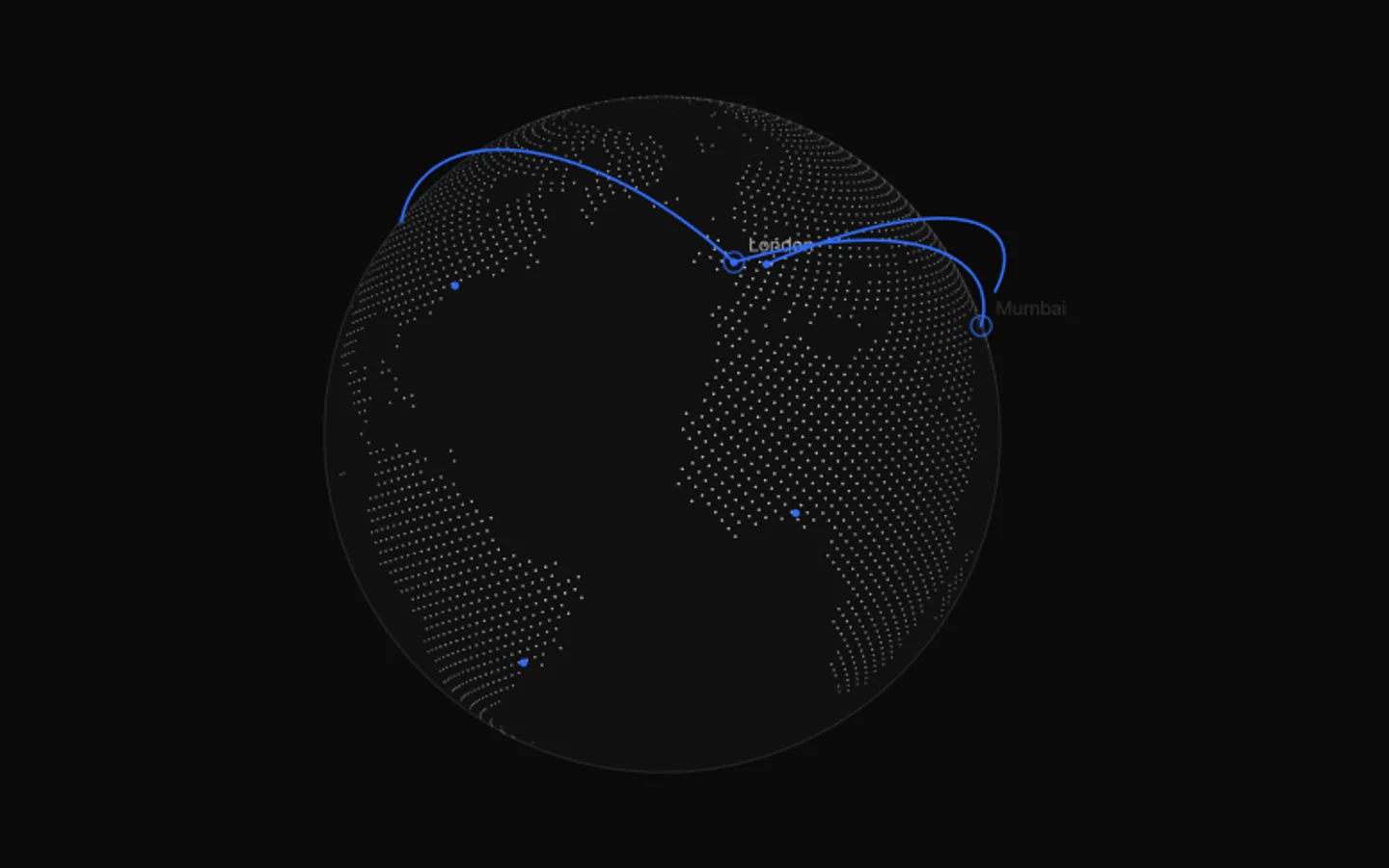
SectionA point-cloud globe on a plain canvas with no 3D library. Land is drawn as dots, it spins slowly, arcs fly between cities one after another and you can drag it to spin. Centred, or rising from the bottom edge.
Dither Field
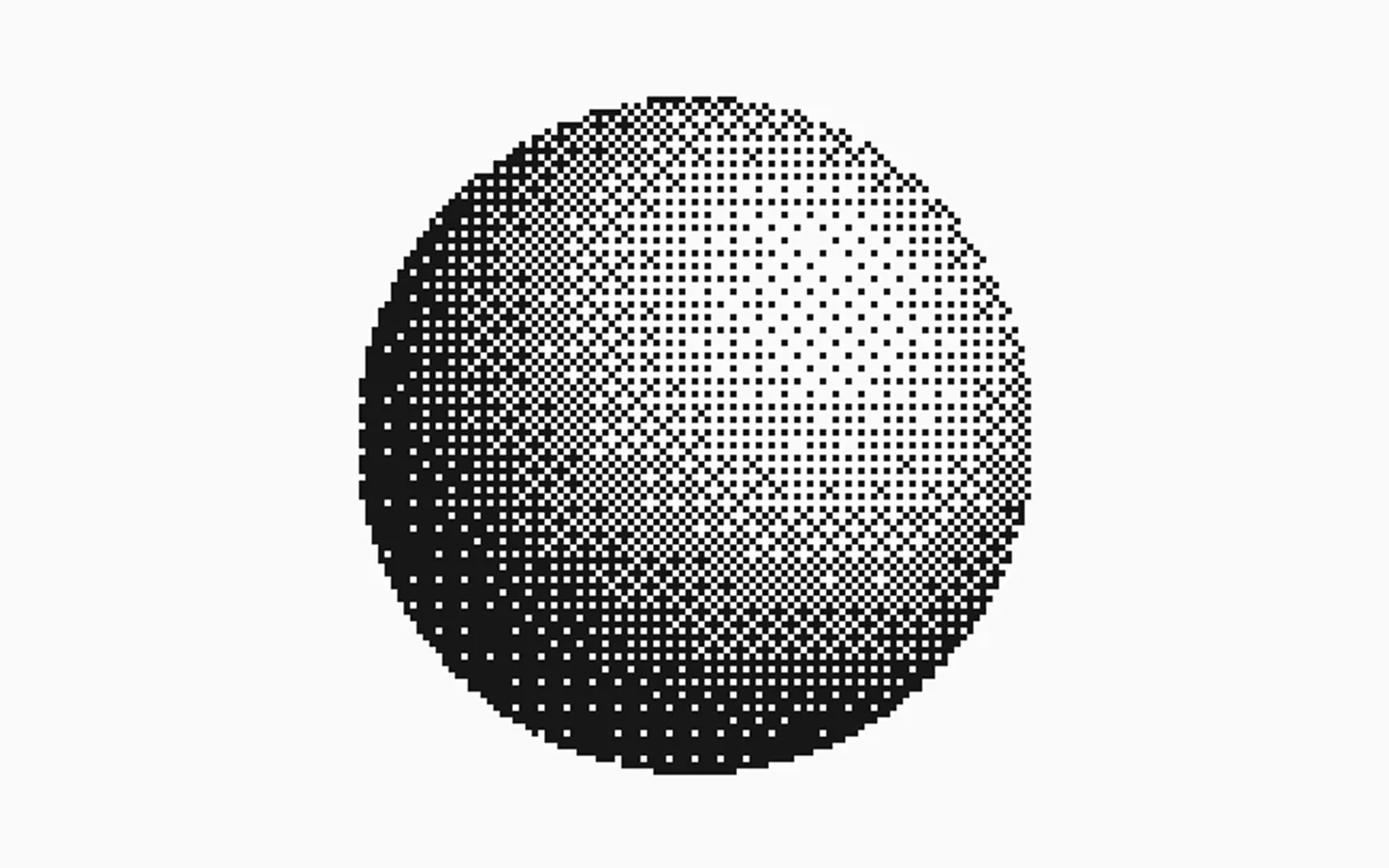
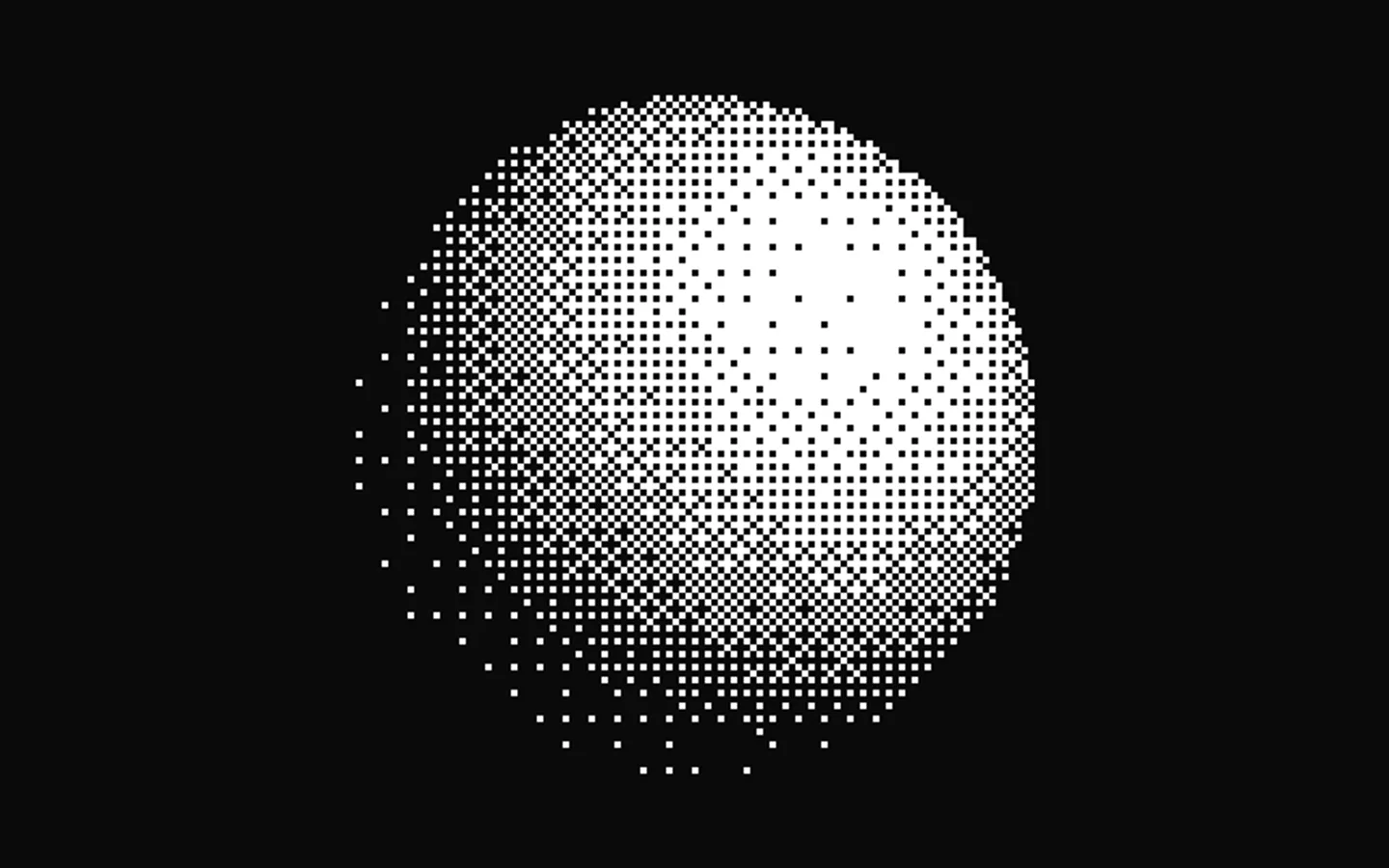
SectionA 1-bit canvas for any tile: an ordered 8×8 Bayer dither of a lit orb, drifting hills or slow noise, in one ink colour on a transparent ground. Set the cell size, the ink and an optional paper colour.
Live Cursors
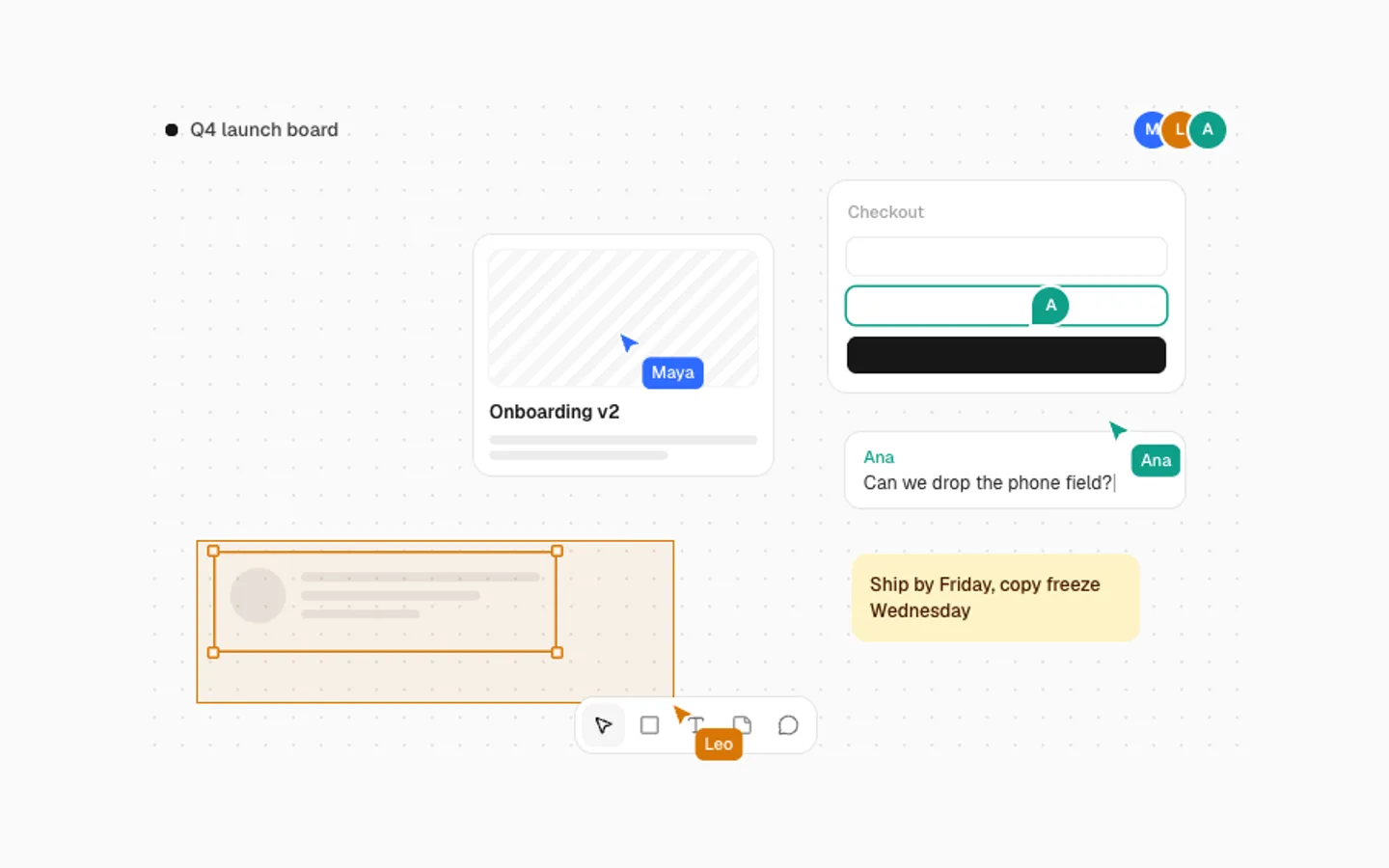
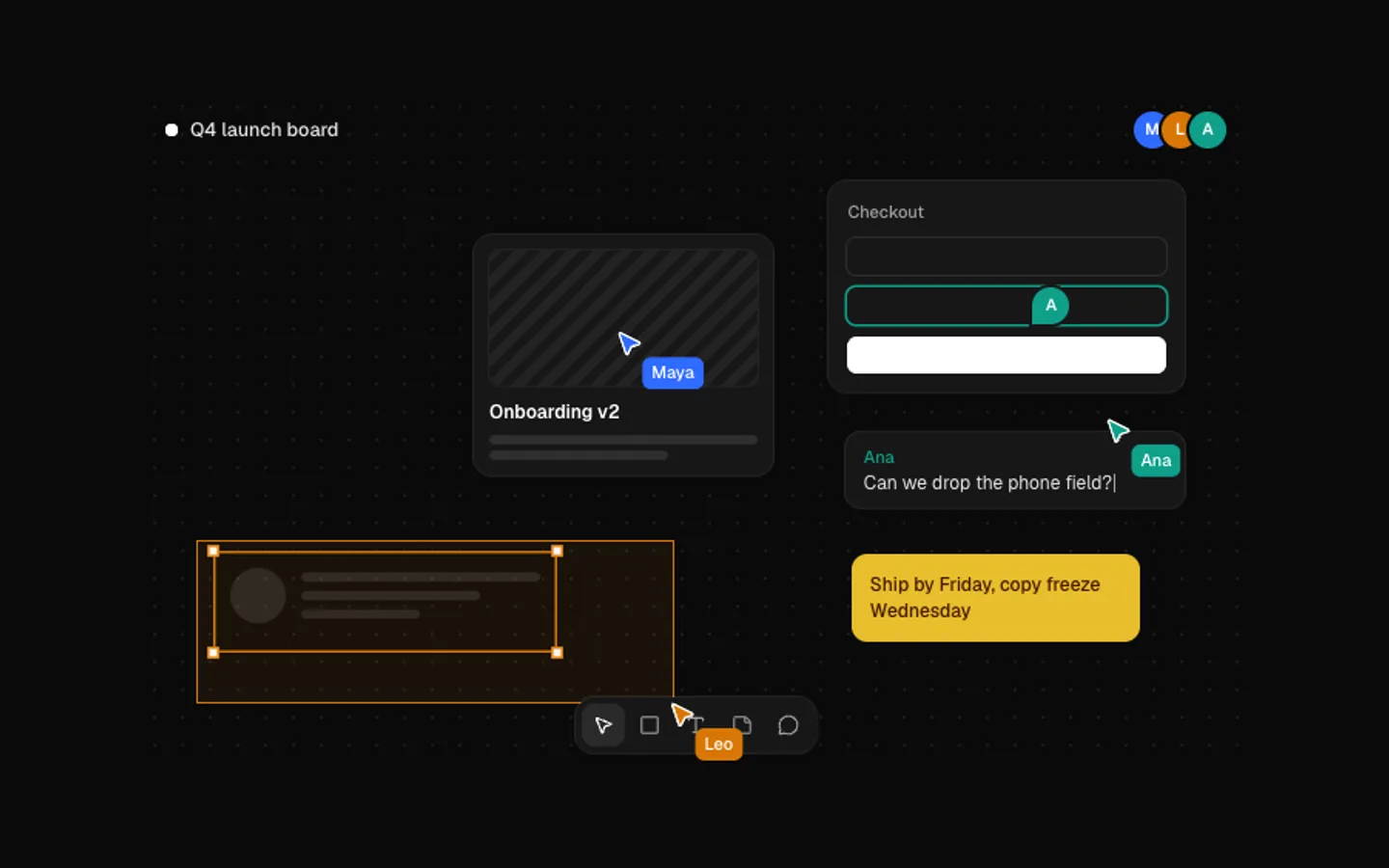
SectionA shared canvas with three named cursors. One drags a card across and back, one draws a selection round a group and one leaves a comment that types itself out. It all runs off one clock, so it pauses cleanly.
Topographic Lines
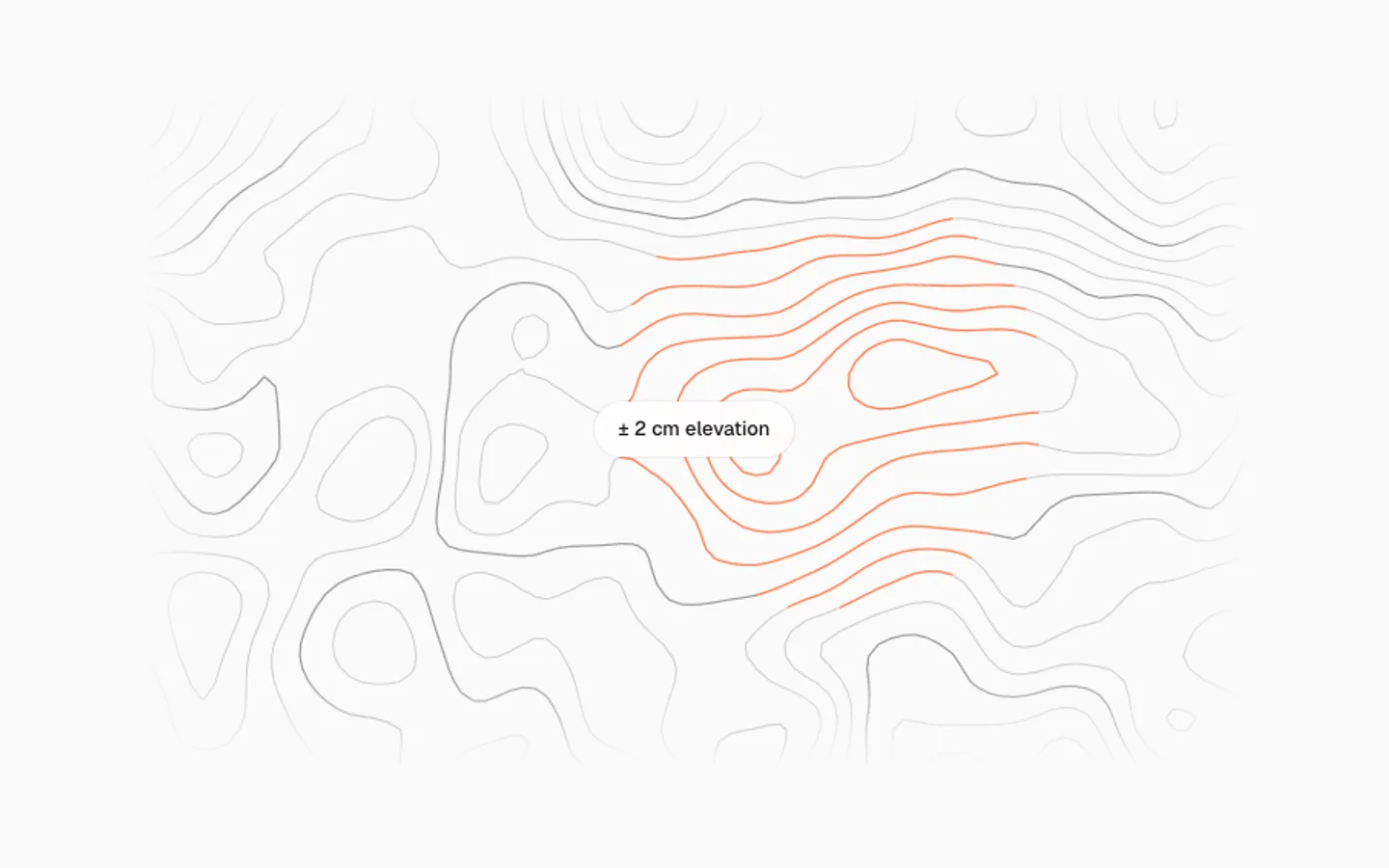
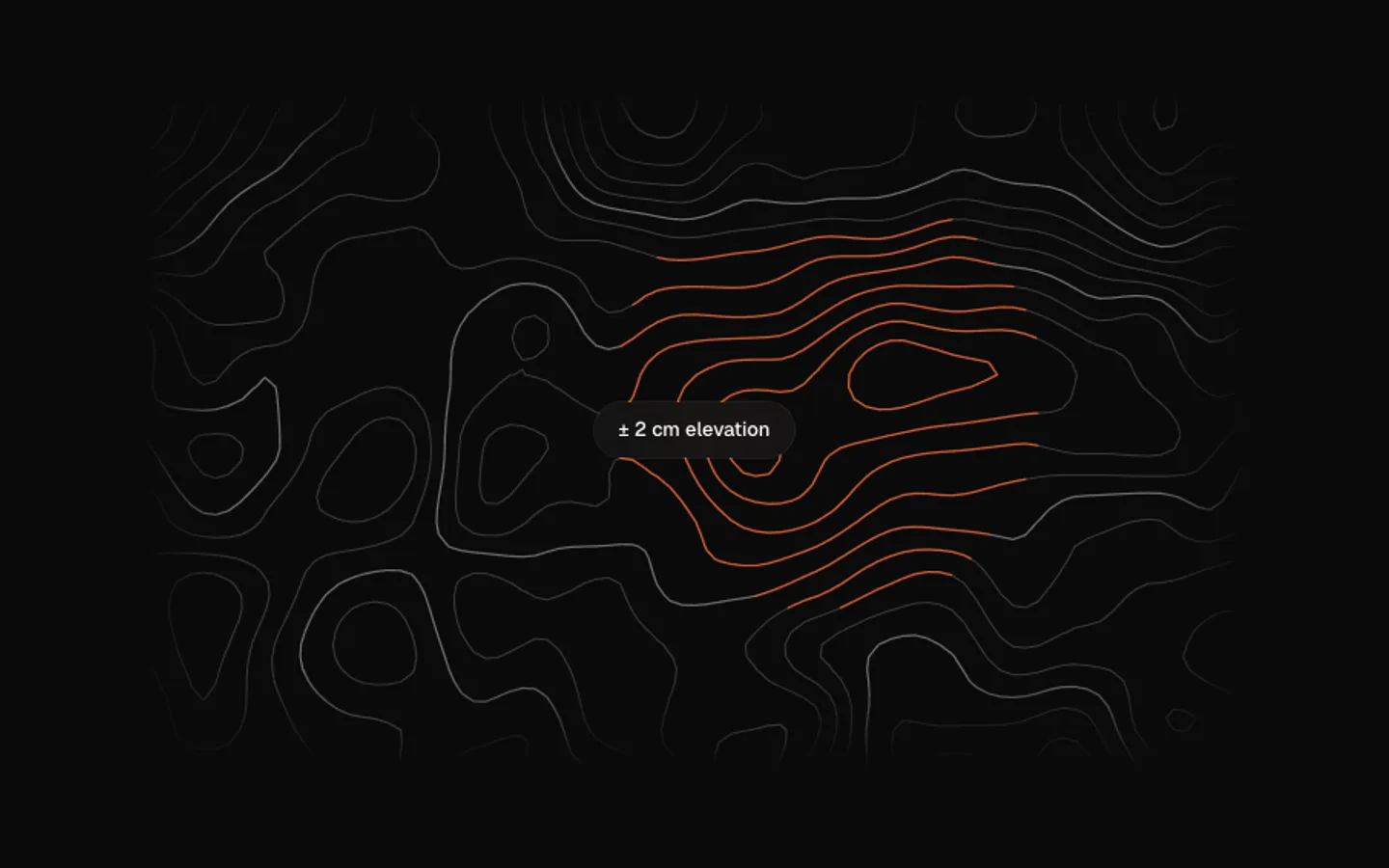
SectionA contour map that drifts like weather. A hill follows the pointer and the lines bend around it, taking the accent near its peak. With nobody pointing, the hill wanders by itself.

Pixel Lock
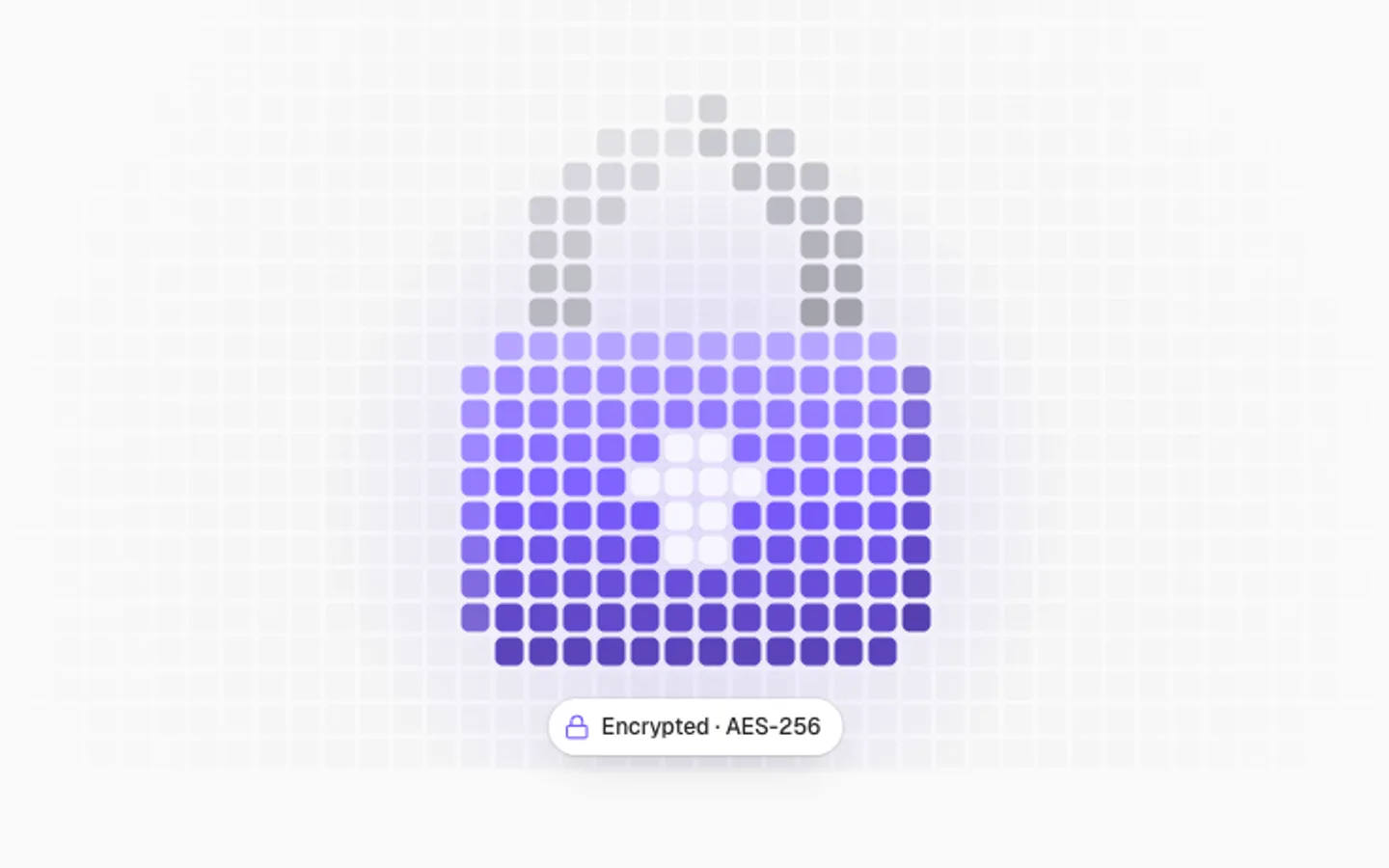
SectionA padlock built on a pixel grid. Its cells flicker into place, the shackle drops shut with a bounce and a wave of light bursts out across the grid, and a scan line sweeps the body. Then it opens, dissolves and builds again. Hover to open it.
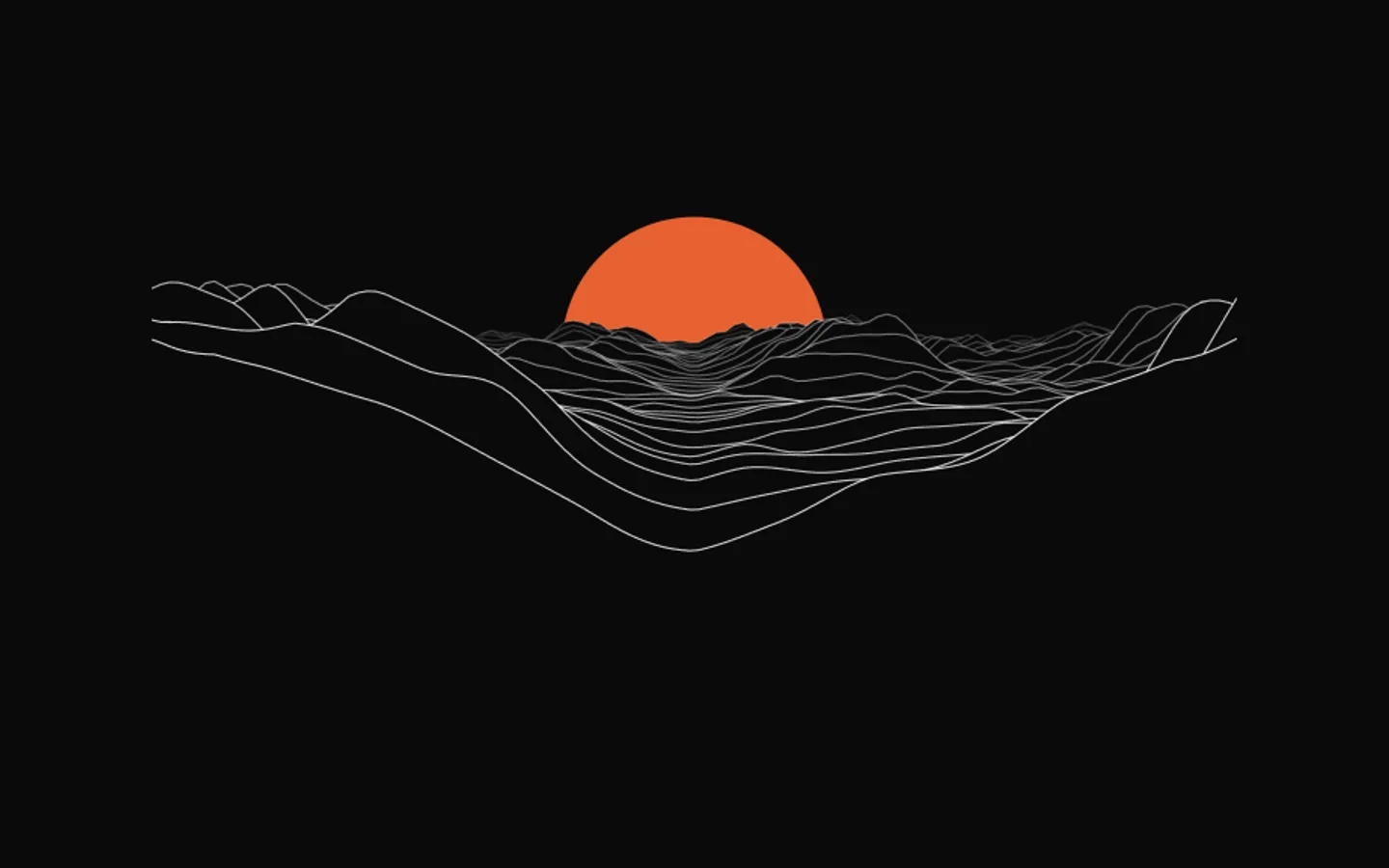
Terrain Flyover
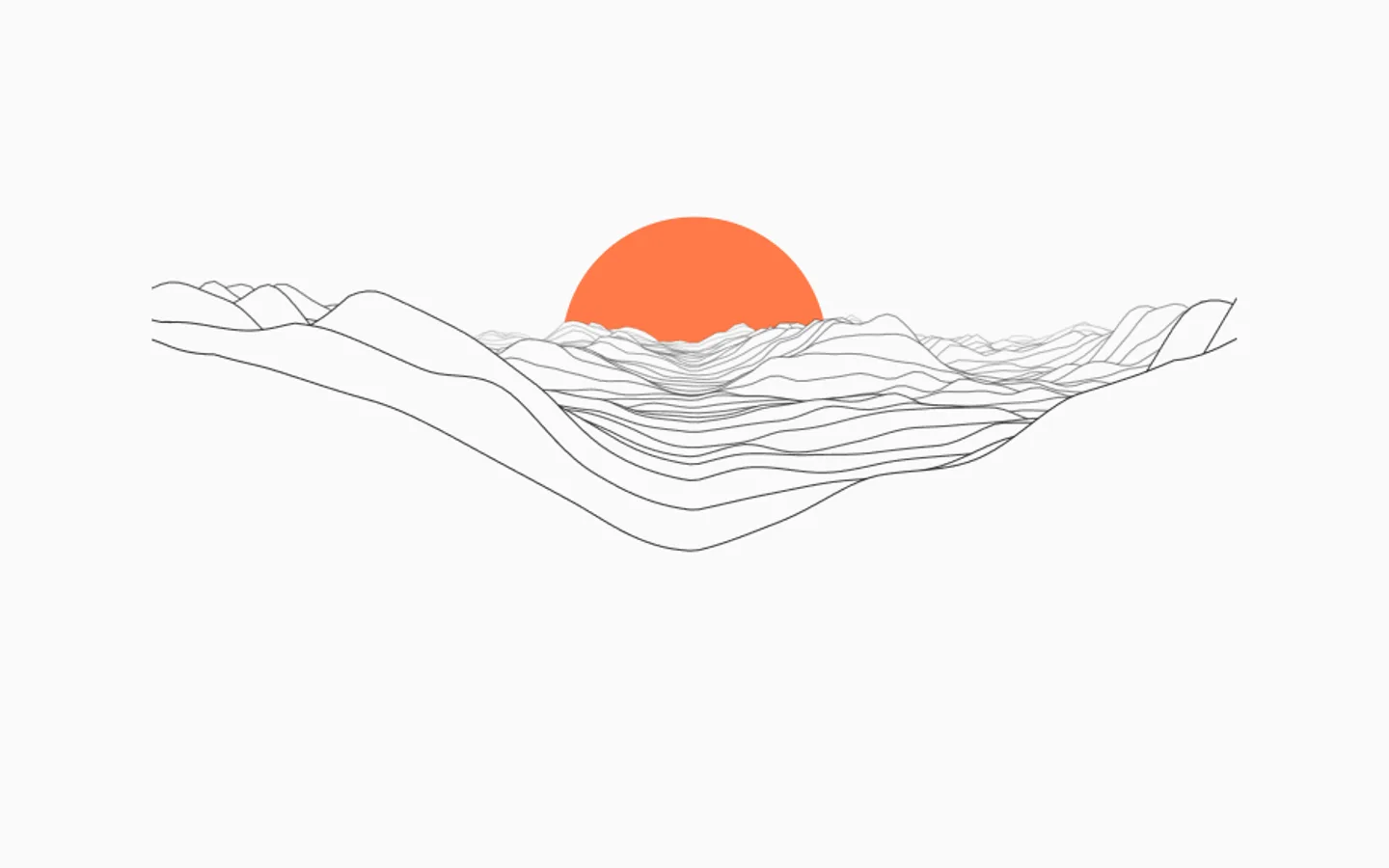
SectionA flight over ridgelines drawn as stacked lines that hide what's behind them. The land scrolls toward you under a low sun, and the pointer steers the camera.
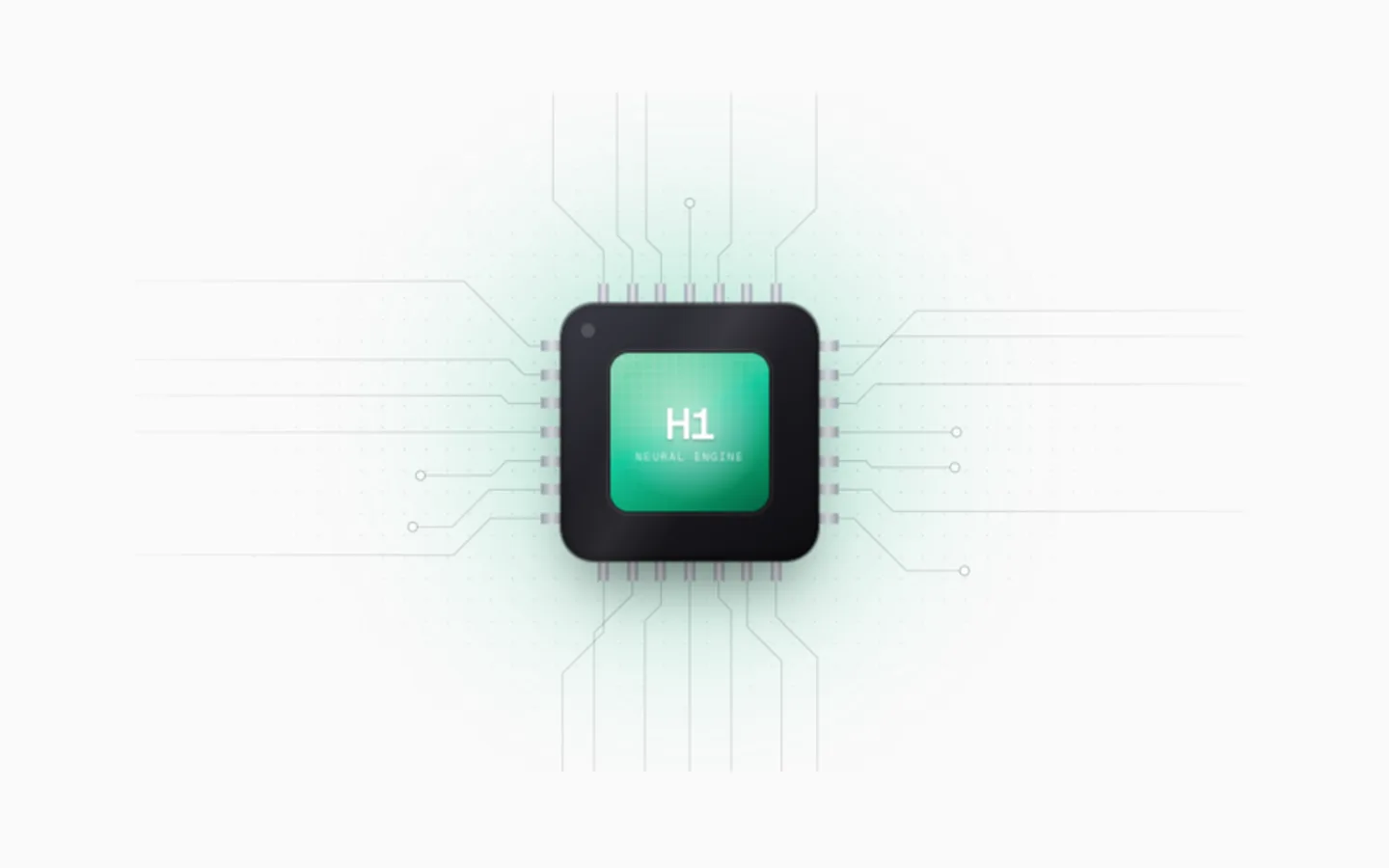
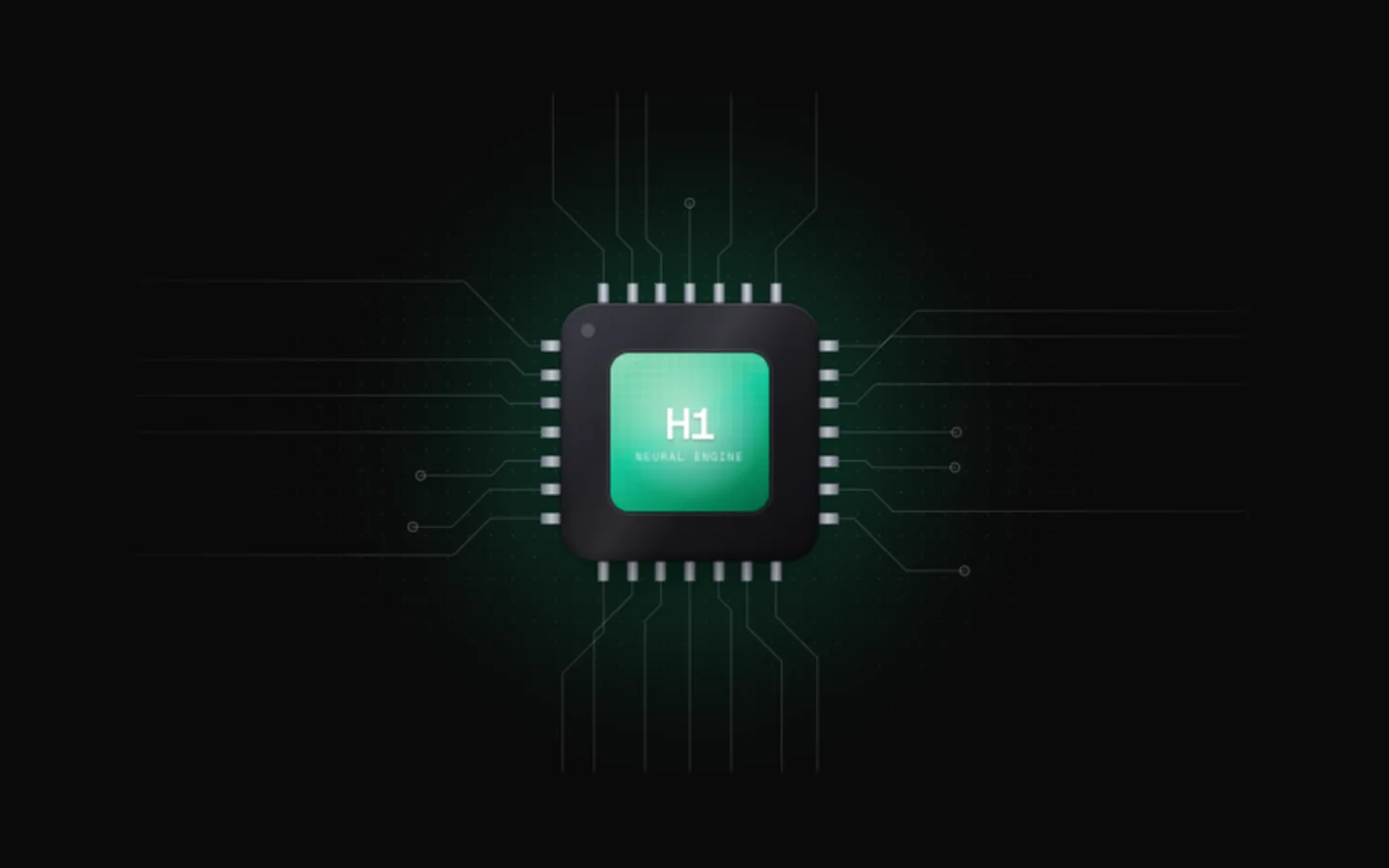
Compute Chip
SectionA processor on a circuit board. Traces fan out from its pins, light pulses race along them into the package, and the die brightens with every one that lands. The chip tilts toward the pointer and the die's highlight follows it.
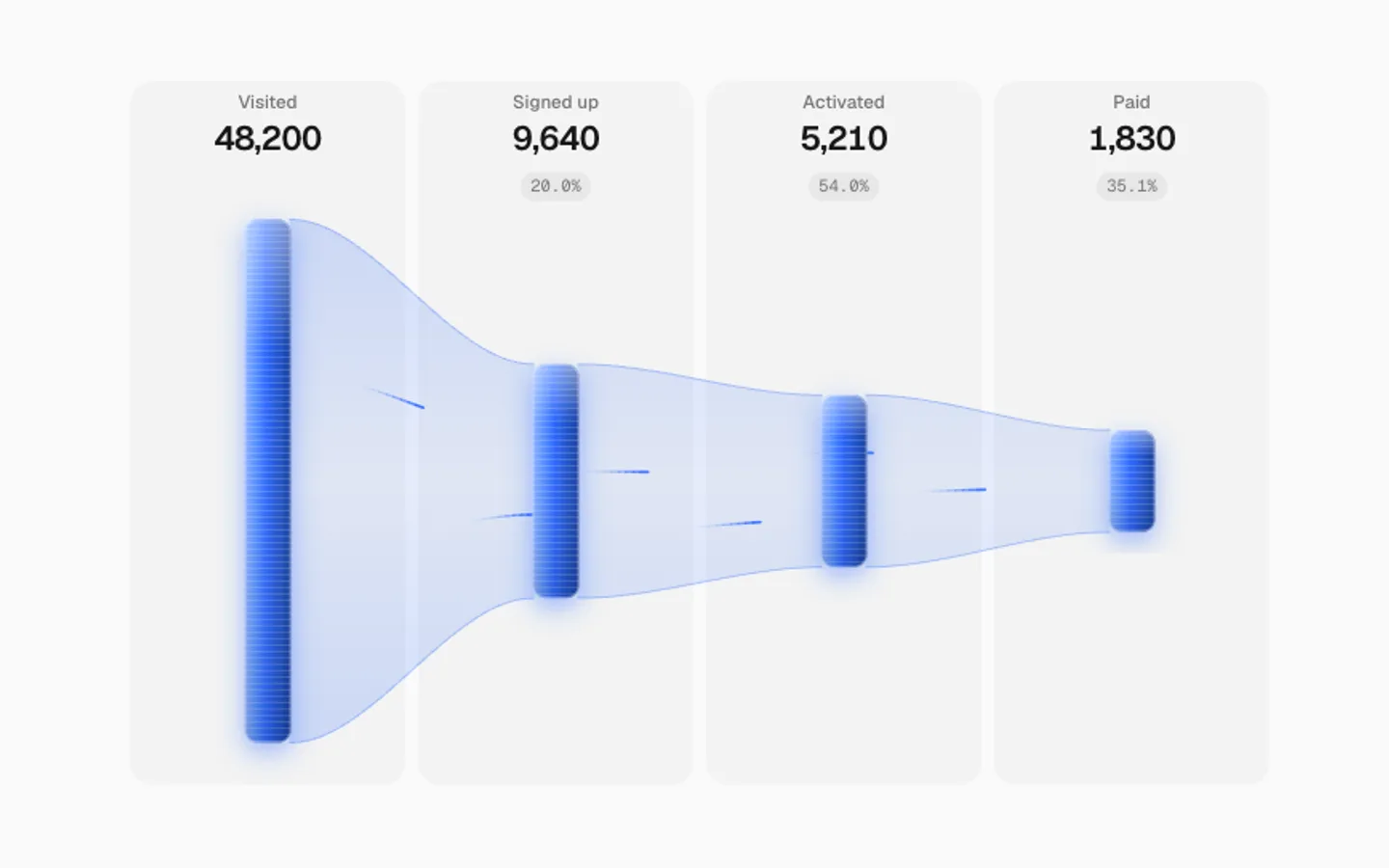
Funnel Flow
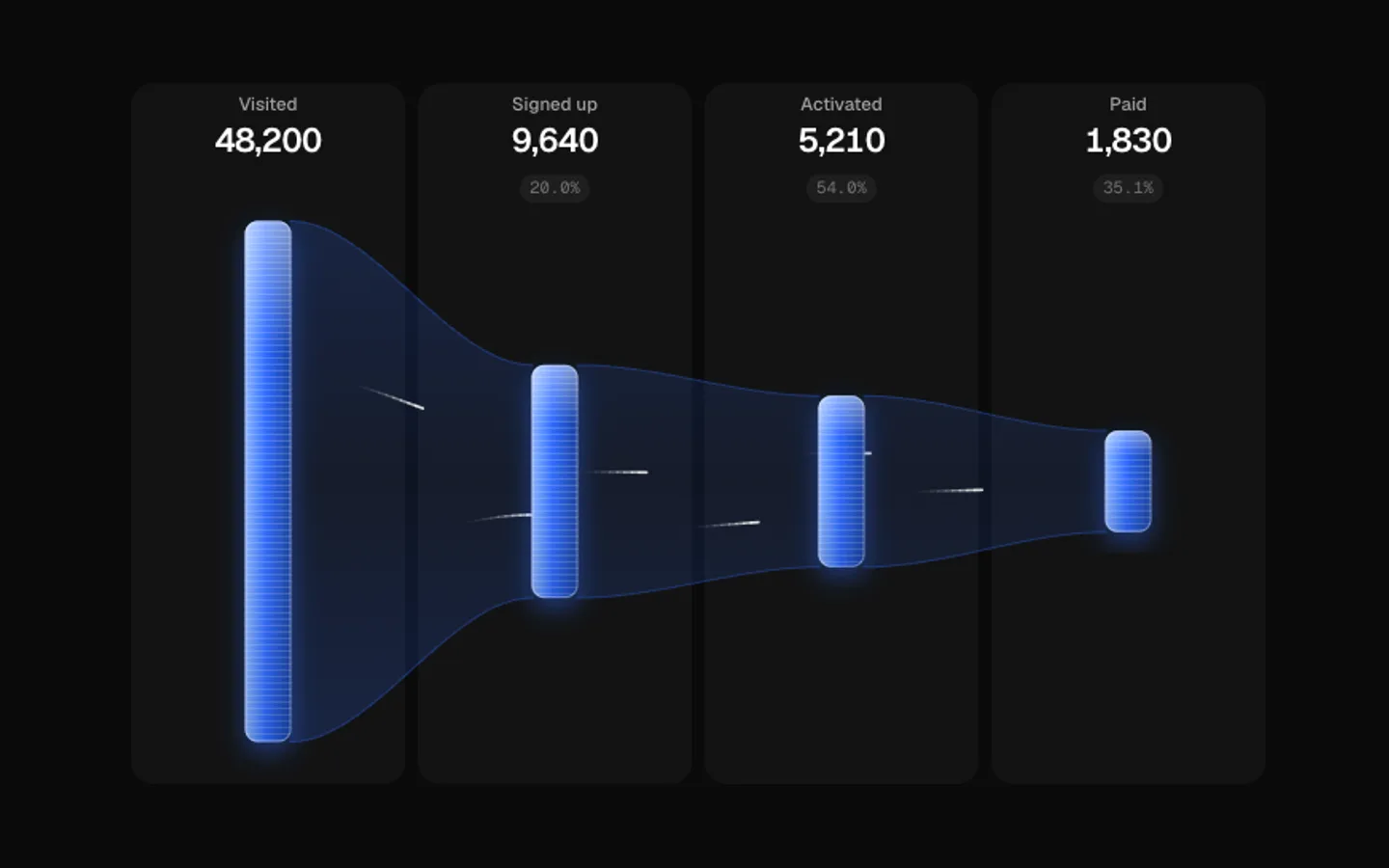
SectionA conversion funnel as lit glass bars, one per stage, joined by soft ribbons that taper as people drop away. Streaks of light run through it, and at every step some fade out where they leave, in the share that stage loses. Point at a stage to pick it out.
Workspace Hero
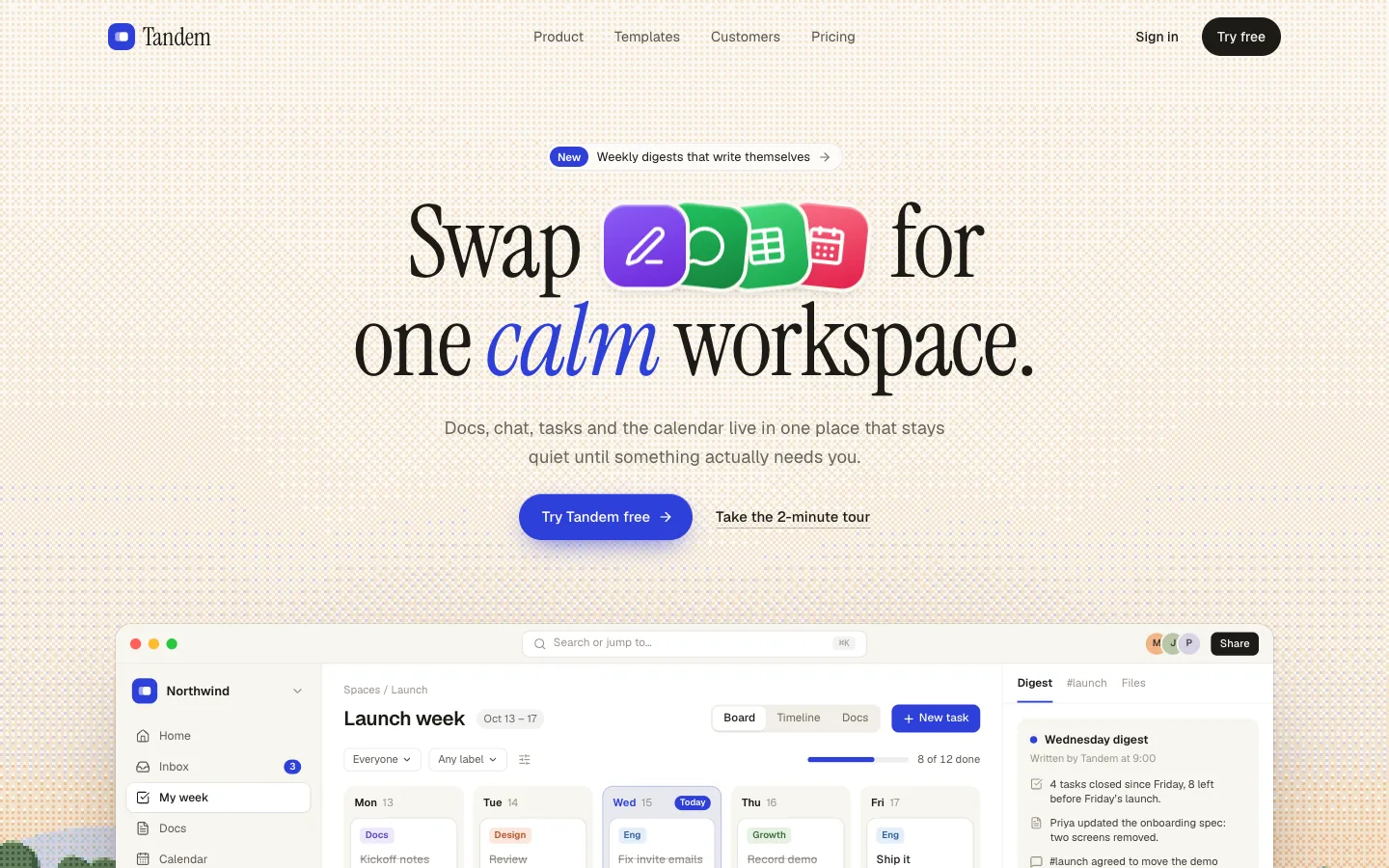
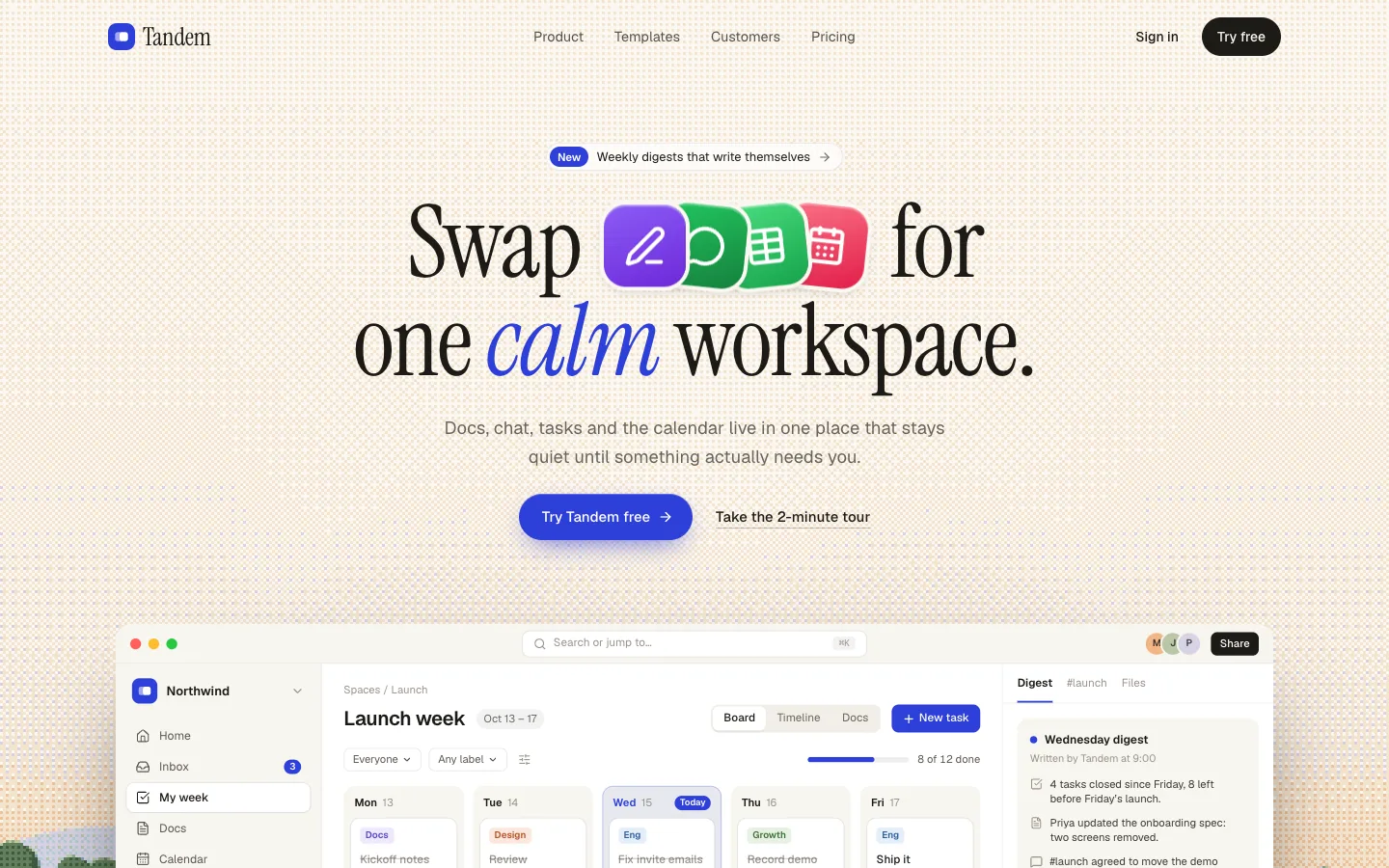
SectionA team-workspace hero in Instrument Serif over a landscape drawn in code and Bayer-dithered like a print. Four app tiles in the headline fold into one, and the full desktop app below works on its own: tasks tick off, a digest writes itself, a teammate drags a card.
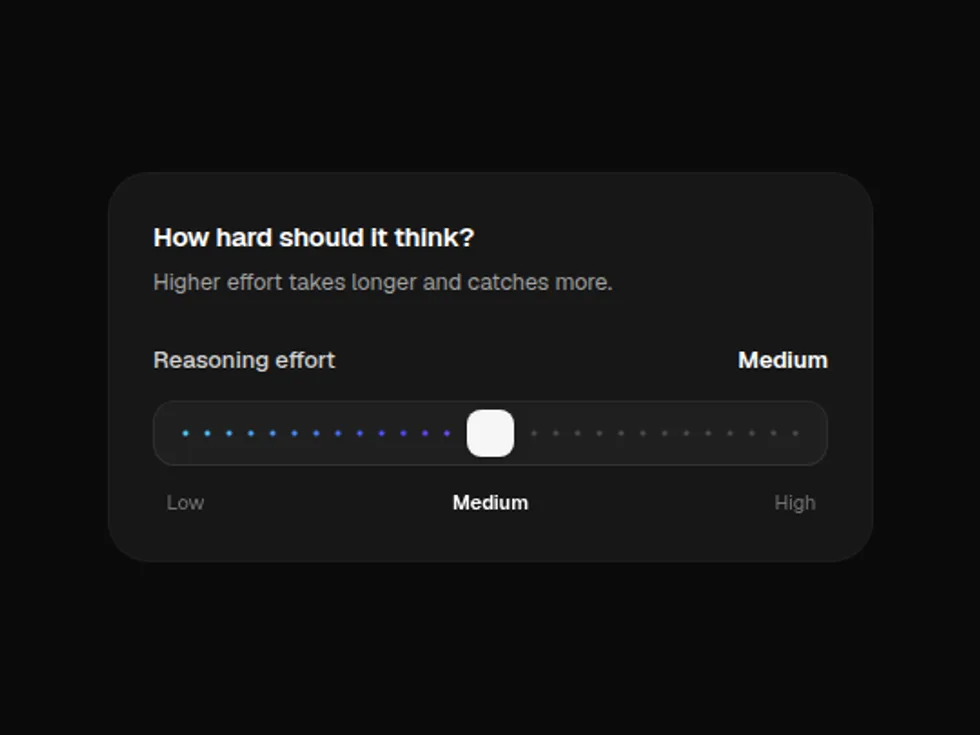
Effort Slider
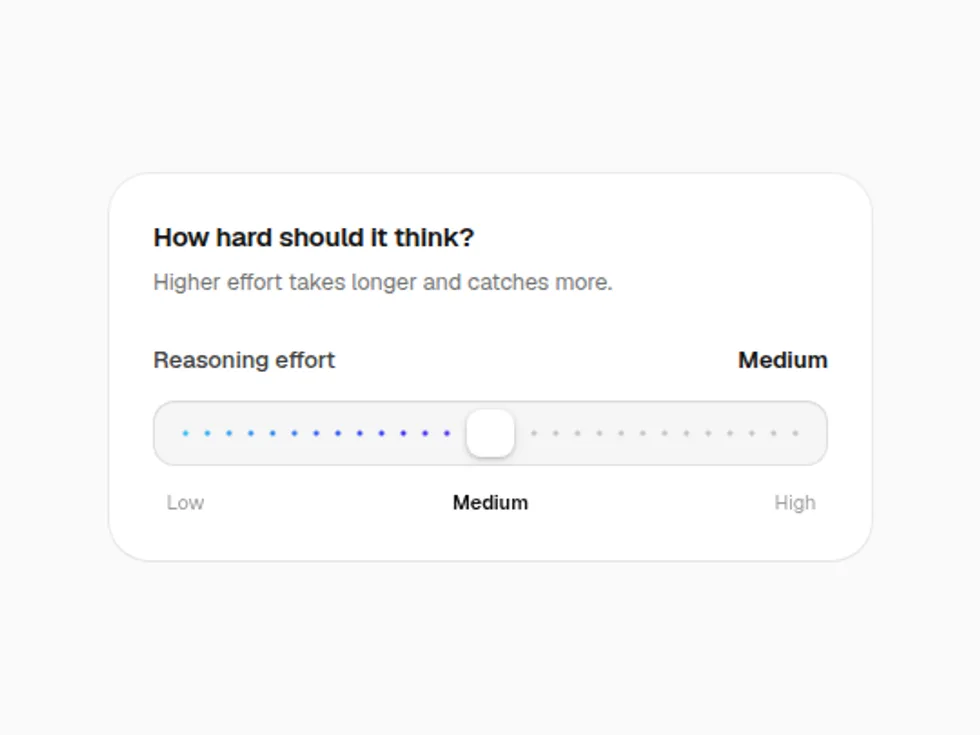
AIA stepped slider in an enclosed track: a row of dots lights up behind a rounded-square thumb, and sparkles fly only on the top step
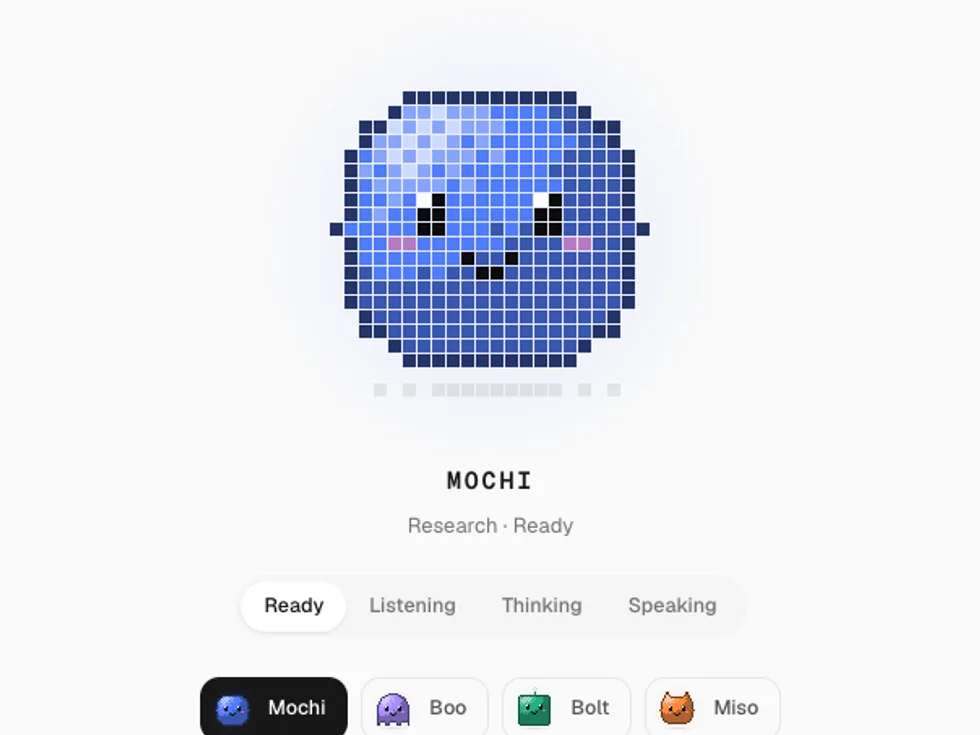
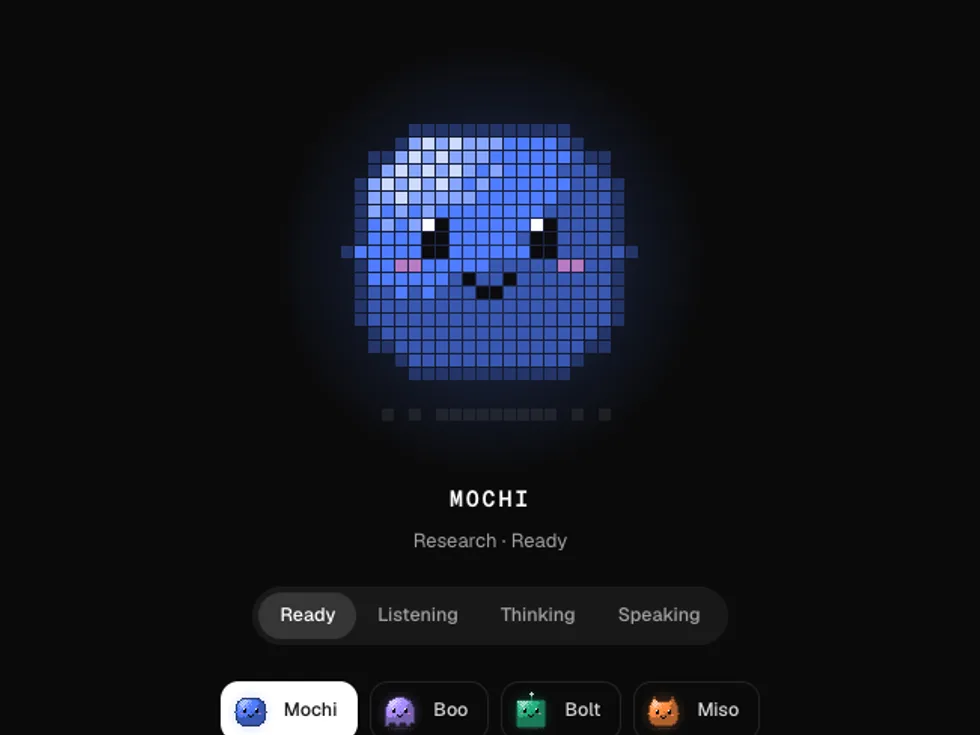
Pixel Persona
AIA pixel creature for an assistant: blob, ghost, bot or cat on a 32×32 grid with dithered shading and a glow. It blinks and bobs when idle, opens wide to listen, glances up with ticking dots to think, and talks and bounces to speak.
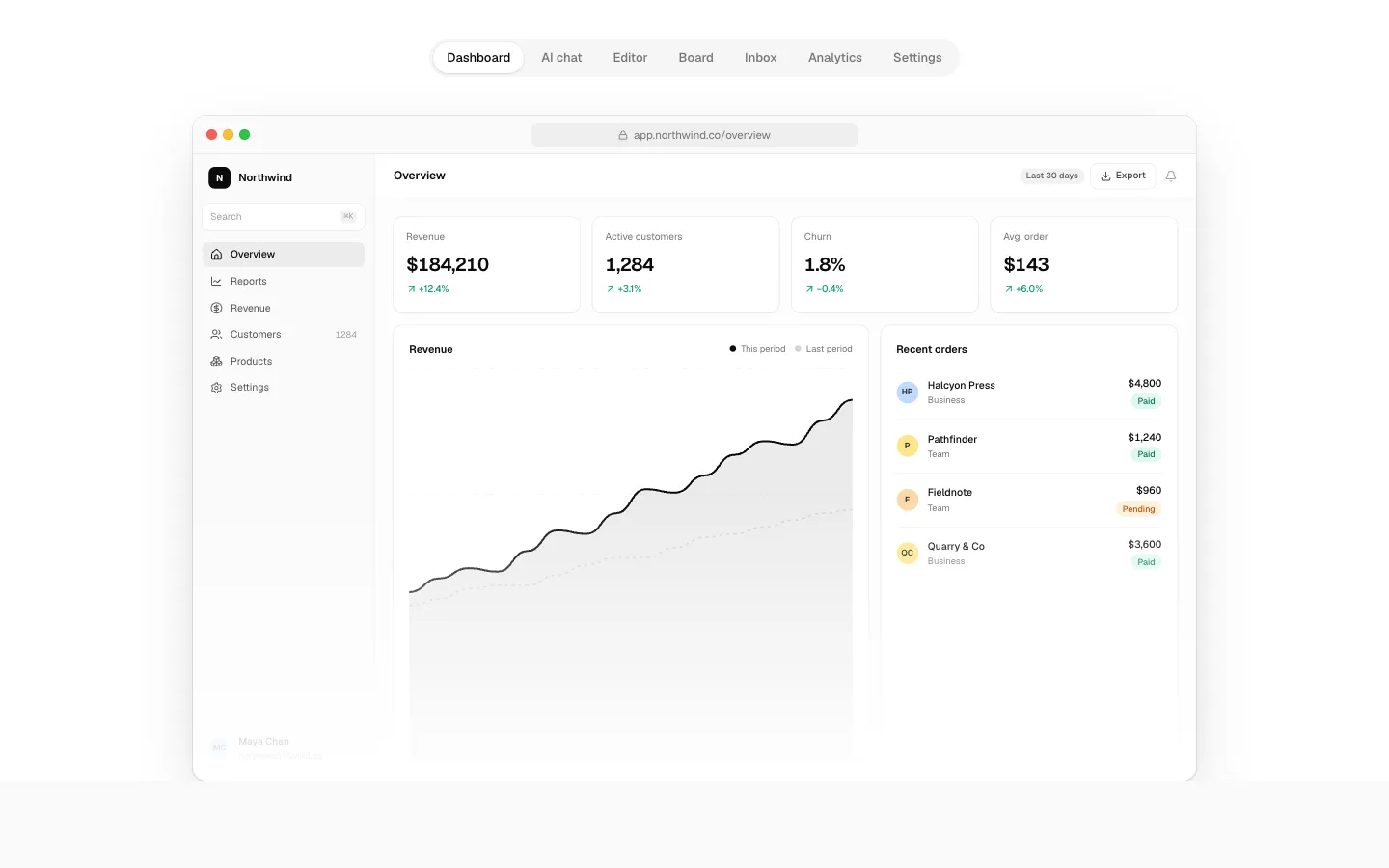
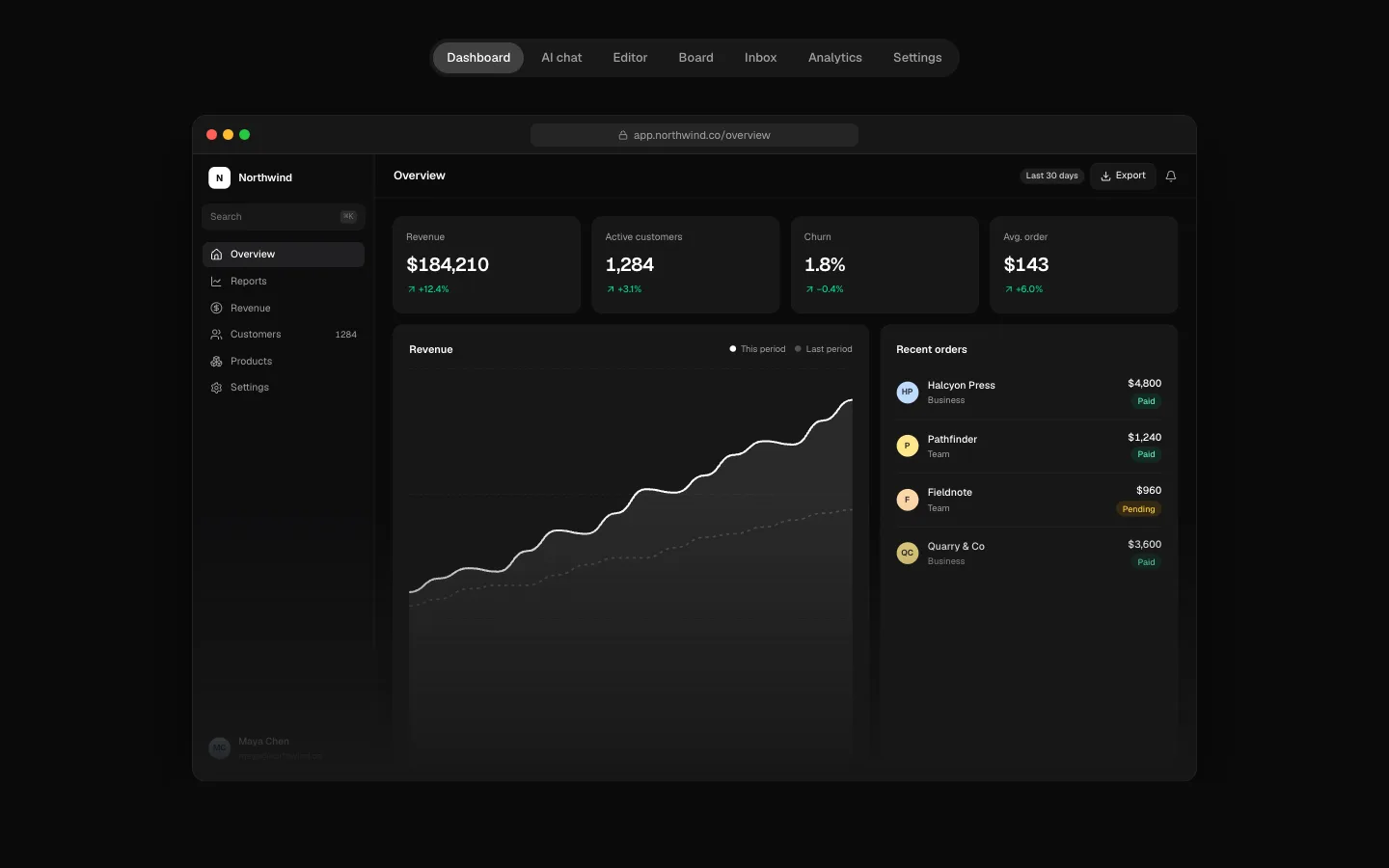
Product Shot
SectionReal-looking product screens without screenshots: a dashboard, AI chat, editor, board, inbox, analytics and settings. Each is coded at a fixed canvas and scaled to fit, so it stays crisp at any width, with crops, a spotlight, a faded edge and browser, window or laptop frames.
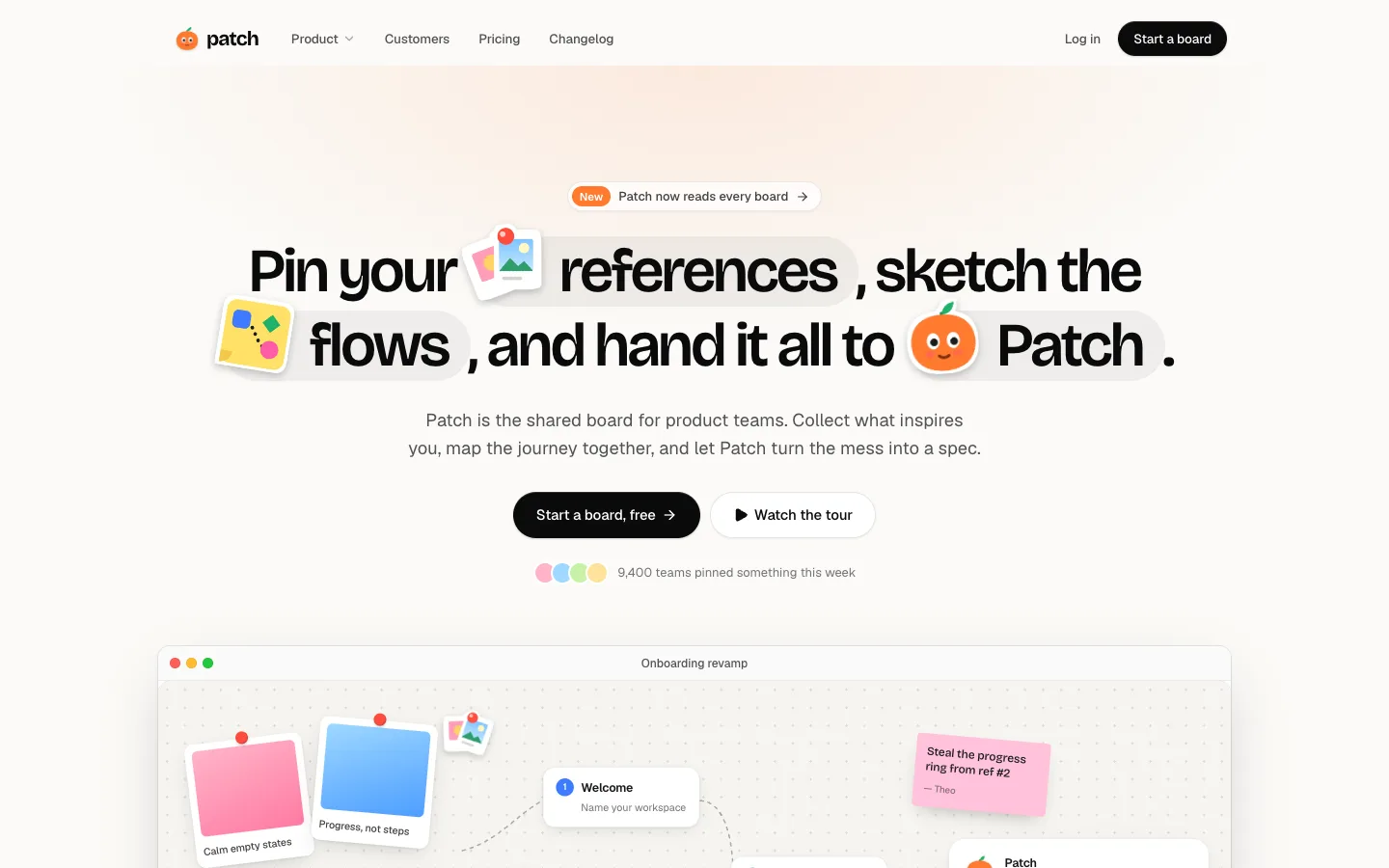

Agent Canvas Landing
SectionA white, monochrome landing page for a made-up agent canvas. The headline rolls through what the agents do, and the canvas below follows it, selecting and playing in each task's frame. Nav, hero, canvas, agents, steps, quote, CTA and footer each live in their own file.